Pixo Reto: A Bold Typeface for Impactful Visuals
Sometimes you scroll through a font library, and everything starts to look the same. Then, a typeface catches your eye that just feels different—energetic, sharp, and full of personality. That’s the experience many designers have when they discover Pixo Reto. It’s the kind of font that doesn't just sit quietly on the page; it makes a statement. For anyone working on a project that needs to grab attention immediately, from a startup's first logo to a bold event poster, finding the right visual voice is half the battle. This is where a character-rich decorative font steps in, offering a solution that’s both visually striking and surprisingly versatile.
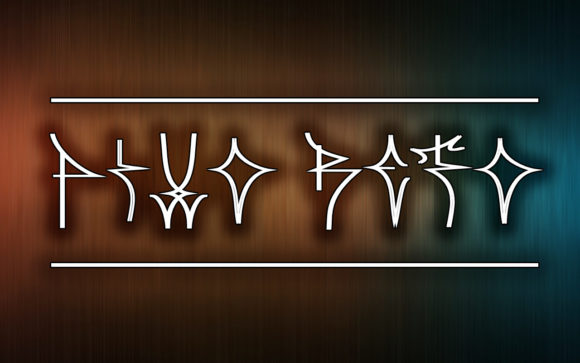
At its core, Pixo Reto is a display typeface designed for impact. Its letterforms feature a unique blend of geometric structure and playful, almost hand-crafted detailing. Think sharp angles meeting subtle curves, creating a rhythm that feels modern yet approachable. It’s not a simple sans serif or a traditional script; it occupies its own space, making it a fantastic tool for designers who want to break away from the ordinary. The visual appeal lies in its ability to be both bold and readable, avoiding the common pitfall of decorative fonts that sacrifice clarity for style. This balance is crucial for real-world applications where the message needs to get across quickly.
Injecting Energy into Brand Identity
For small business owners and entrepreneurs, brand identity is everything. It’s the first impression and the lasting memory. A font like Pixo Reto can become the cornerstone of a brand that wants to project confidence, creativity, and a bit of edge. Imagine a boutique coffee roaster using it for their logo and packaging—the font’s boldness communicates the strong, unique flavors of their beans. Or consider a tech startup that wants to stand out from the sterile, corporate look; Pixo Reto can give their branding an innovative and dynamic feel. It’s about matching the typography to the brand's personality. A premium font with this much character can elevate a visual identity from looking homemade to looking thoughtfully designed and professional.
When building a brand, consistency is key. Once you choose a typeface like this for your primary branding, you can extend its use across all touchpoints. This creates a cohesive visual language that strengthens brand recognition. Your website headers, social media graphics, and even internal documents can share the same visual DNA. However, a word of practical advice: a strong display font works best when paired with a more neutral, highly readable body font. A classic sans serif or a clean serif can provide the necessary contrast, ensuring your marketing materials are not only eye-catching but also easy to read. This font pairing strategy is fundamental to good design.
From Digital Screens to Physical Print
The true test of a creative font is its versatility. Pixo Reto shines in both digital and physical realms, making it a valuable asset in any designer's toolkit. For digital projects, it’s perfect for creating scroll-stopping social media graphics. A bold headline in Pixo Reto can make an Instagram post or a Facebook ad stand out in a crowded feed. It’s equally effective for website hero sections, blog post titles, and digital product covers where you need to make an instant connection with the viewer. The font’s strong presence ensures your message isn’t missed.
When it comes to print, the applications are just as exciting. This is a typeface that loves ink on paper. Use it for event posters, flyer design, or album artwork where you want to create a sense of excitement and importance. In packaging design, it can help a product jump off the shelf. Think of the bold typography you see on trendy snack bags or craft beverage cans—that’s the kind of energy Pixo Reto brings. For merchandise like t-shirts, tote bags, or stickers, it provides a cool, graphic element that people will want to wear. It’s also a superb choice for wedding invitations or party flyers that aim for a modern, stylish vibe rather than a traditional one.
Practical Tips for Using a Display Font
While a font like Pixo Reto is a powerful tool, using it effectively requires some thoughtful consideration. First, always review the full font family or included styles. Often, a premium font will come with alternates, ligatures, or different weights that can add extra flair to your designs. Experiment with these features to customize the look further. Second, readability should always be your guide. Because it’s a display font, it’s generally best suited for headlines, titles, and short bursts of text. Avoid using it for long paragraphs of body copy, as its intricate details can become tiring to read at length. The goal is to use it to draw the eye, then let a simpler font deliver the detailed information.
Another crucial aspect is licensing. If you’re using the font for a client project, merchandise for sale, or a digital product, you must ensure you have the correct commercial license. Reputable font foundries and marketplaces will clearly outline the terms. Understanding font licensing protects you legally and supports the type designers who create these valuable assets. Finally, test your designs in context. A font might look great in your design software, but how does it appear on a mobile screen versus a printed poster? Always create mockups to see how the typography interacts with other visual elements and how it holds up across different sizes and mediums. This hands-on testing is what separates a good idea from a great final product.
Choosing a typeface is a creative decision that influences how your audience feels and reacts. Pixo Reto offers a distinct voice that can help your projects communicate with clarity and charisma. Whether you’re crafting a new brand identity, designing marketing materials, or creating personal art, exploring its endless possibilities can lead to designs that are not only seen but remembered. It’s more than just a set of letters; it’s a tool for visual storytelling.