Ravenborg: A Modern Blackletter Font for Bold Branding
You've seen it before: a logo that feels both ancient and utterly fresh, a social media post that stops your scroll with its stark, dramatic flair. That powerful visual punch often comes from a carefully chosen typeface that bridges history with contemporary style. Ravenborg, a modern blackletter font from Kong Font Studio, is crafted precisely for that kind of impact. It's not just another font; it's a design tool built for creators who want to inject a sense of heritage, strength, and unmistakable personality into their work. For anyone building a brand, crafting a product, or designing marketing materials, understanding how to wield a font like this can be a game-changer.
The Anatomy of a Contemporary Blackletter Typeface
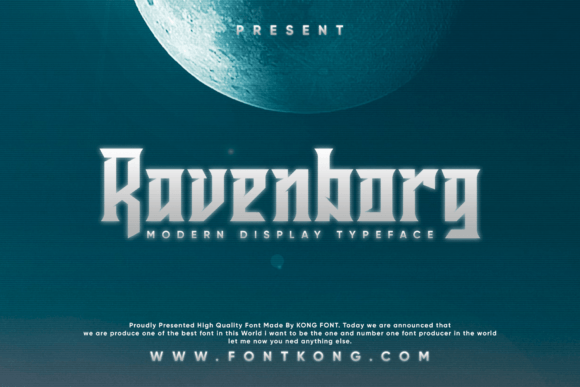
Forget the illegible, overly ornate blackletter fonts of centuries past. Ravenborg reinterprets the genre for a digital-first audience. Its letterforms retain the core, striking geometry of traditional blackletter—the sharp angles, the condensed verticals, the heavy strokes—but with a cleaner, more refined execution. This isn't a font trying to be a historical replica; it's a premium font that uses blackletter's visual authority as a starting point for something new. The result is a display font that commands attention without sacrificing the clarity needed for modern applications. Its visual personality is one of confident contrast: it's bold and structured, yet the modern simplification gives it a versatile edge. Think of it as the typographic equivalent of a tailored leather jacket—classic in spirit, sharp in its contemporary cut.
This balance is crucial for practical use. A purely traditional blackletter might overwhelm a design, but Ravenborg's thoughtful design allows it to function as a powerful accent or a dominant headline. It carries the weight of a serif font in terms of presence but often pairs surprisingly well with clean sans serif or even a subtle script font for contrast. This inherent duality makes it more than a novelty; it's a strategic asset for modern typography.
Where Ravenborg Shines: From Craft Tables to Digital Storefronts
The true test of any creative font is how it performs in the real world. Ravenborg's design makes it exceptionally versatile across a spectrum of projects where a strong visual identity is non-negotiable.
For brand identity and logo design, Ravenborg can be the cornerstone. Imagine it for a craft brewery, a high-end barbershop, a specialty coffee roaster, or a boutique clothing label. It instantly communicates a story of craftsmanship, tradition, and quality. In packaging design, it can make a product leap off the shelf. Use it for the brand name on a label, and suddenly, a jar of artisanal jam or a bottle of hot sauce feels more considered and premium. It's equally effective for editorial design, adding dramatic chapter headings in a book, or for poster design for music events, film screenings, or gallery openings.
In the digital realm, its applications are just as potent. A website hero banner using Ravenborg for a key headline can set an unforgettable tone for a visitor. For social media graphics, it's perfect for creating quote images, announcement posts, or sale promotions that need to cut through the noise. It's a standout choice for merchandise—think t-shirts, hats, and stickers for brands, bands, or online influencers. Even for personal projects like invitations for a milestone birthday or wedding, it adds a layer of sophisticated drama.
Practical Considerations for Seamless Integration
Adopting a commercial font like Ravenborg into your workflow requires more than just an appreciation for its style. A few practical steps ensure it enhances, rather than hinders, your project's success.
First, always review the included font styles. A well-designed font family often includes variations—like regular, bold, italic, or stylistic alternates—that expand your creative options. Check the license to confirm it covers your intended use, whether for a client project, digital products for sale, or marketing assets. Ravenborg is compatible with essential tools like Adobe Photoshop and Silhouette Design Studio, making it accessible for both digital designers and hands-on crafters using cutting machines.
Next, prioritize readability considerations. While Ravenborg is crafted for clarity, blackletter styles are inherently best used for headlines, logos, and short bursts of text. Avoid setting entire paragraphs of body copy in it. This is where font pairing becomes your best friend. Pair it with a highly legible sans serif for body text or a simple handwritten font for a personal touch. Test different combinations to see what creates the right hierarchy and mood. For instance, Ravenborg for a main headline paired with a clean sans serif like Montserrat for subheadings and body copy creates a balanced, professional presentation.
Finally, match typography to project goals. Ask yourself: does the personality of Ravenborg align with the message? It excels for projects that want to convey heritage, strength, edginess, or artisanal quality. It might be less suitable for a children's toy brand or a minimalist tech startup. The goal is visual consistency—where every element, including the typeface, works together to tell a coherent brand story, boosting brand recognition and audience engagement.
Unlocking Creative Potential with Intentional Typography
Choosing a font is a foundational design decision that influences the entire feel of a project. Ravenborg offers a specific and potent flavor of modern typography. By understanding its visual strengths, exploring its wide range of practical applications from web design to print materials, and applying it with thoughtful consideration for readability and pairing, you can leverage it to create work that feels both unique and professionally polished. It’s a testament to how a single design asset, chosen with intention, can elevate a concept from ordinary to memorable.