Cut Out: A Display Font That Brings Ideas to Life
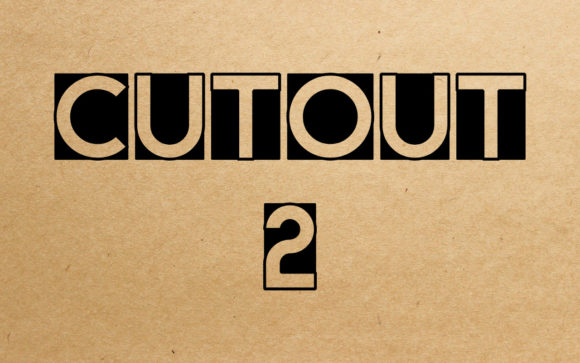
There's a particular kind of energy that jumps off the screen when a typeface does something unexpected. It catches your eye, makes you pause mid-scroll, and lingers in your memory long after you've moved on. That's the feeling Cut Out delivers. Designed by Peter Wiegel, this display font takes a familiar concept—outlined letters—and pushes it into territory that feels both playful and polished. The result is a typeface that doesn't just sit on a page; it performs.
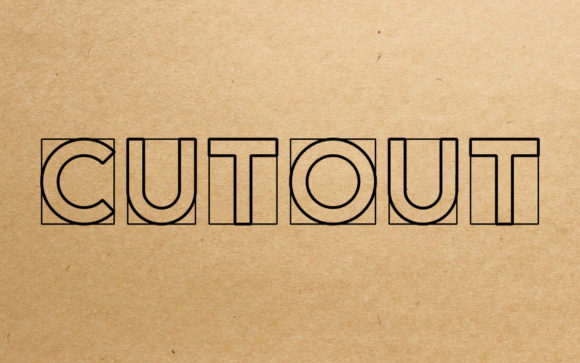
What makes Cut Out stand apart from hundreds of other display fonts? The answer lives in the details. Each letter has been carefully crafted with clean, well-balanced outlines that create a sense of depth and dimension without relying on heavy shadows or complex effects. The cutout technique gives every character a hollow interior framed by a confident stroke, which means text set in this font reads as both bold and airy at the same time. It's a tricky balance to achieve, and Peter Wiegel nails it.
Where Visual Personality Meets Practical Design
Cut Out isn't the kind of font you reach for when drafting a legal contract or setting body copy for a 300-page annual report. That's not its job. This is a typeface built for moments that demand attention—headlines that need to command a page, logos that should feel distinctive, and social media graphics that compete against an endless stream of content for a split second of someone's focus.
Think about the last time a piece of packaging made you pick something off a shelf. Chances are, the typography played a significant role. A font like Cut Out works beautifully in packaging design because its outlined structure creates visual contrast against busy backgrounds. Whether the packaging features photography, illustrations, or solid color blocks, the hollow letterforms allow whatever sits behind them to peek through, creating an integrated, layered look that feels intentional and modern.
For small business owners developing a brand identity, choosing the right typeface can feel overwhelming. You want something memorable but not gimmicky. Trendy but not so trendy that it feels dated in eighteen months. Cut Out strikes that middle ground. Its outlined style references a mid-century modern aesthetic while feeling completely current, which gives it staying power. Used as a headline font for a café menu, a boutique clothing label, or a creative agency's website, it communicates personality without trying too hard.
Creative Applications That Actually Work
Let's get concrete. Here are real scenarios where Cut Out earns its place in a designer's toolkit:
- Logo design: A startup wants a wordmark that feels fresh and approachable. Setting the brand name in Cut Out gives it instant character. The outlined letters can be filled with color, gradients, or even subtle textures to create a logo that's versatile across print and digital applications.
- Social media graphics: Instagram stories, Pinterest pins, and Facebook ads all compete for attention in crowded feeds. A bold display font like Cut Out helps text-heavy graphics pop without requiring elaborate illustrations or photography.
- Poster and event design: Music festivals, gallery openings, community events—these all benefit from typography that feels energetic. Cut Out's outlined structure gives posters a handcrafted quality that resonates with audiences looking for authenticity.
- Invitations and stationery: Wedding invitations, party announcements, and greeting cards set in this font carry a sense of whimsy and celebration. The hollow letterforms work especially well when printed on colored card stock or layered over patterned backgrounds.
- Merchandise: Tote bags, t-shirts, mugs, and stickers benefit from bold, simple typography. Cut Out's clean outlines reproduce well at various sizes and on different materials, making it a practical choice for print-on-demand products.
- Editorial layouts: Magazine spreads, blog headers, and digital publications can use this typeface for pull quotes and section titles to break up long blocks of text and add visual rhythm to a layout.
Content creators and bloggers, take note: if your website feels flat or your brand visuals lack cohesion, swapping in a distinctive display font for your headings can transform the entire reading experience. Pair Cut Out with a clean sans serif font for body text, and you've got a typographic system that feels both dynamic and readable.
Font Pairing and Readability Considerations
No font exists in isolation. The real magic happens when you start combining typefaces, and this is where many designers—especially those newer to typography—get stuck. Here's some practical guidance for working with Cut Out alongside other fonts.
Because Cut Out is a display font with a strong visual personality, it pairs best with simpler, more neutral typefaces for supporting text. A straightforward sans serif font like a geometric or neo-grotesque style keeps the focus on your headlines while ensuring body copy remains easy to read. If your project leans more editorial or traditional, consider pairing it with a serif font that has clean, modern proportions. Avoid combining it with other decorative or script fonts, as the competing personalities will create visual noise rather than harmony.
Readability is worth discussing honestly. Display fonts like Cut Out are designed for short-form text—think headlines, titles, logos, and call-to-action phrases. At larger sizes, the outlined letterforms are crisp and legible. At smaller sizes, however, the hollow interior can become harder to distinguish, especially on screens with lower resolution. The practical takeaway? Use Cut Out where it shines—big, bold, and brief—and let a more traditional typeface handle the heavy lifting for paragraphs and longer passages.
Before committing to any font for a project, test it in context. Set your actual headline text, not just the alphabet. View it at the size you'll actually use. Check it on both a desktop monitor and a mobile phone screen. Print a sample if the project involves physical materials. These simple steps save you from discovering readability issues after you've already built out an entire design system.
Working With a Premium Display Font
Cut Out is a premium font, and that distinction matters for a few reasons worth understanding. Premium fonts typically come with more complete character sets, including extended punctuation, multilingual support, and sometimes alternate letterforms or ligatures. They also tend to include clearer licensing terms, which is essential if you're using the font for commercial projects—client work, products for sale, or branded marketing materials.
Peter Wiegel has a reputation for creating typefaces that balance creativity with usability, and Cut Out reflects that approach. The characters are well-spaced and kerned, which means you'll spend less time manually adjusting letter spacing and more time focusing on the broader design. For designers working under tight deadlines, that kind of attention to detail in the font file itself is a genuine time-saver.
If you're a small business owner investing in design assets for the first time, think of a quality display font as a long-term tool rather than a one-time purchase. A versatile typeface like Cut Out can serve across multiple projects over months or years—your website header today, your product packaging next season, your holiday social media campaign in December. The cost-per-use drops significantly when you choose a font with enough flexibility to adapt to different contexts.
Making Typography Work for Your Brand
Every visual choice you make in a project sends a message. Color palettes evoke emotions. Photography styles set tones. And typography? It's often the element that ties everything together—or lets it fall apart. A brand that uses consistent, thoughtful font choices across its website, social media, print materials, and packaging builds recognition in a way that feels effortless to the audience, even though it required deliberate planning behind the scenes.
Cut Out offers something specific: a way to inject energy and modernity into your visual communication without abandoning professionalism. It doesn't scream for attention in a desperate way. Instead, it invites the viewer in with a clever visual concept executed with precision. That's the difference between a font that feels trendy and one that feels thoughtfully designed.
Whether you're building a brand from scratch, refreshing an existing visual identity, or simply looking for a creative font that makes your next project feel more polished, it's worth spending time with typefaces that bring genuine personality to the table. The right typography doesn't just carry your words—it shapes how people experience them.