Cut Out 2: The Display Font That Brings Your Creative Ideas to Life
There’s a moment in every creative project when you realize the typography isn’t just supporting the design—it’s becoming the design. You’ve seen it happen: a logo that feels flat until the right letterforms appear, a social media graphic that suddenly pops, or packaging that jumps off the shelf because the text has personality. That’s the kind of transformation a display font like Cut Out 2 can spark. Designed by Peter Wiegel, this typeface isn’t just another pretty face in the font library; it’s a tool for injecting energy and character into visual communication, especially when you need your message to stand out with clarity and style.
Why This Typeface Feels Different
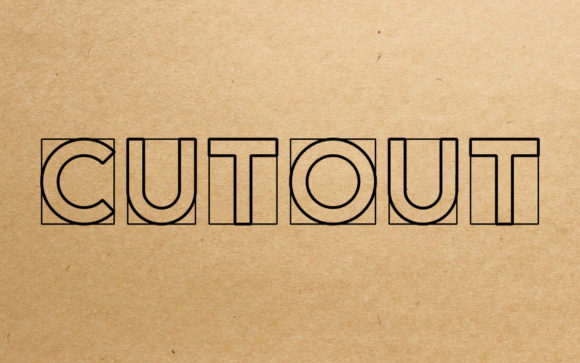
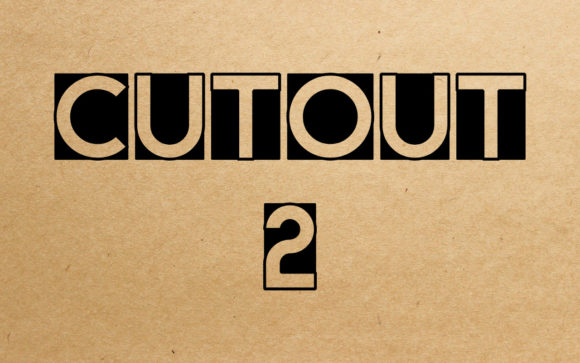
Cut Out 2 is a fun and creative display font, but what does that mean for your work? Its characters feature beautiful, well-balanced cutout details—think negative space carved into the letters in a way that feels both playful and sophisticated. This isn’t a heavy, blocky font or a delicate script; it strikes a balance that makes it versatile. The cutouts add visual interest without sacrificing legibility, which is a common challenge with decorative typefaces. Whether you’re using it for a headline, a logo, or a title, the letters have enough presence to command attention while remaining easy to read at a glance.
For designers and entrepreneurs, this kind of visual appeal translates directly into practical value. A font that’s both distinctive and readable can enhance brand recognition, make marketing materials more engaging, and elevate the overall professionalism of a project. It’s the type of asset you reach for when you want to make a statement without overwhelming the viewer.
Real-World Applications Across Industries
Let’s talk about where Cut Out 2 can actually fit into your workflow. If you’re working on branding, consider using it for your logo or wordmark. Its unique cutout style can help a brand feel modern and approachable—ideal for startups, creative agencies, or lifestyle brands aiming to connect with a younger, design-savvy audience. Pair it with a clean sans serif font for body text, and you’ve got a balanced typographic system that’s both eye-catching and functional.
Packaging design is another area where this font shines. Imagine a product label for artisanal goods, cosmetics, or specialty foods. The cutout details can evoke a sense of craftsmanship and creativity, helping your product stand out on crowded shelves or in online marketplaces. Similarly, for social media graphics—whether you’re creating Instagram stories, Facebook ads, or Pinterest pins—Cut Out 2 can add that extra layer of visual interest that stops the scroll. It’s particularly effective for quotes, announcements, or promotional text where you want the words themselves to be part of the design.
Don’t overlook print and editorial uses either. Posters, invitations, magazine layouts, and even book covers can benefit from a display font that has personality without being overly whimsical. If you’re a blogger or content creator, using Cut Out 2 for section headers or featured titles can help break up long-form content and guide the reader’s eye. For digital products like e-books, worksheets, or online courses, it can give your materials a polished, professional feel that enhances perceived value.
Integrating Into Your Design Strategy
Choosing the right font is about more than just aesthetics—it’s about alignment with your project goals. Cut Out 2 works best when used strategically. As a display font, it’s designed for headlines and short bursts of text, not for lengthy paragraphs. That’s where pairing comes in. Combine it with a neutral serif or sans serif font for body copy to ensure readability while maintaining visual hierarchy. For example, if you’re designing a website, use Cut Out 2 for your hero section or key call-to-action buttons, and switch to a simpler typeface for navigation and product descriptions.
Testing is key. Before committing, see how the font renders at different sizes and in various contexts. Does it look as good on a mobile screen as it does on a desktop? Is it legible when printed small on a business card? Take the time to mock up your designs and get feedback. Sometimes a font that looks perfect in isolation might need adjustments in spacing or weight when applied to real content.
Also, consider the mood you’re aiming for. Cut Out 2 has a modern, slightly playful vibe, so it might not be the best fit for ultra-serious corporate projects or formal academic publications. But if your brand leans creative, innovative, or youthful, it could be exactly what you need to differentiate yourself. Think about your audience: are they looking for something fresh and engaging, or traditional and authoritative? Match the font’s personality to the message you want to send.
Practical Tips for Using Cut Out 2 Effectively
First, explore all the styles included with the font. Many premium fonts come with multiple weights, alternates, or stylistic sets that can give you more flexibility. Check if Cut Out 2 offers regular, bold, or italic versions that might suit different parts of your design. Sometimes, a slightly heavier weight can make a headline more impactful, while a lighter weight might work better for subtitles.
Second, pay attention to spacing and alignment. Display fonts often benefit from a little extra letter-spacing or line-height to let their details breathe. In tools like Adobe Illustrator, Figma, or Canva, experiment with tracking and kerning to see how small adjustments can improve readability and visual flow. This is especially important for web design, where text needs to look crisp across devices.
Third, think about color and contrast. Cut Out 2’s cutout details can get lost if the font color doesn’t stand out against the background. Test it on both light and dark backgrounds, and consider using solid colors rather than busy patterns behind the text. For social media graphics, bold colors can make the font pop, while in print, a two-tone approach (like black on white) might be more effective.
Finally, if you’re using Cut Out 2 for commercial projects, double-check the licensing. Most premium fonts require a license for commercial use, so make sure you’ve covered that if you’re designing for clients, selling products, or using it in marketing materials. It’s a small step that protects you legally and supports the font designer’s work.
Bringing It All Together
Typography is a silent ambassador for your brand or project. The right choice can convey trust, creativity, elegance, or fun—often before a single word is read. Cut Out 2 offers a specific blend of visual charm and practicality that can serve a wide range of creative needs. Whether you’re a small business owner crafting your first logo, a marketer designing a campaign, or a hobbyist working on a personal project, it’s worth considering how this font might elevate your work.
Remember, the best designs come from intentional choices. Don’t just pick a font because it looks trendy; choose it because it aligns with your message and resonates with your audience. Cut out 2 is a tool—use it thoughtfully, test it thoroughly, and let it help you bring your most creative ideas to life.