Back to Vintage: A Font That Feels Like a Familiar Favorite
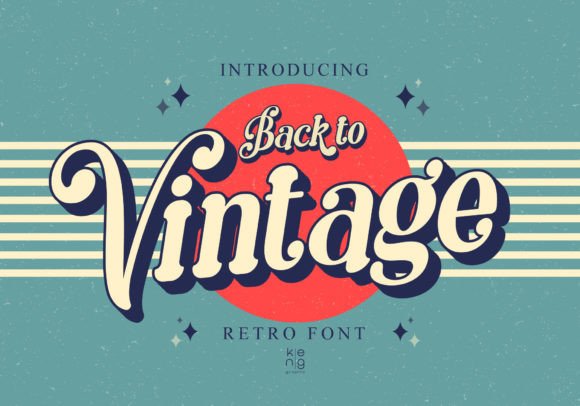
There’s a certain warmth to design from the 60s, 70s, and 80s. It’s a feeling—a blend of nostalgia, bold simplicity, and a touch of playful character that modern, minimalist aesthetics sometimes lack. Capturing that feeling in a contemporary project can be challenging, but the right typography is often the key. This is where the Back to Vintage font comes in, not just as a set of letters, but as a vessel for that specific, attention-grabbing retro energy. Its unique shape, with every corner softened and rounded, immediately sets a friendly, approachable tone that feels both classic and fresh.
Capturing a Retro Mood in Modern Design
What exactly makes a font feel “vintage”? It’s more than just looking old. It’s about the visual language of an era—the thick, groovy strokes of the disco age, the streamlined confidence of mid-century modern, or the bold, graphic punch of 80s pop culture. Back to Vintage draws from this well of inspiration, creating a display font that doesn’t just mimic the past but communicates its spirit. The softer, rounded corners are a deliberate design choice; they remove the harshness that can sometimes come with bold typography, making it feel more inviting and less aggressive. This quality makes it incredibly versatile. It can power a headline for a craft brewery’s new IPA label, add personality to a social media graphic for a vintage clothing shop, or give a special touch to a wedding invitation suite.
From Brand Identity to Packaging Shelves
For small business owners and entrepreneurs, building a recognizable brand is everything. Typography is a silent ambassador for your brand’s values. Choosing a typeface like Back to Vintage for your logo, website headers, or marketing materials instantly communicates a specific personality. It tells your audience that your brand values authenticity, craftsmanship, nostalgia, or a fun, retro aesthetic. Consider a small-batch coffee roaster: using this font on packaging and in-store signage creates a cohesive story that resonates with customers who appreciate heritage and quality. It’s not just a font; it’s a strategic component of your brand identity. The key is to ensure the font’s personality aligns perfectly with your brand’s voice. A rugged outdoor gear company might pair it with a strong sans serif for balance, while a boutique bakery might use it alongside a delicate script font to highlight both whimsy and artisanal care.
Making Digital Content Stand Out
In the fast-scrolling world of social media and digital content, grabbing attention is paramount. A standard, neutral font often blends into the background noise. Back to Vintage, as a premium display font, offers a solution. Its distinctive character makes headlines in Instagram graphics, YouTube thumbnails, and Pinterest pins immediately pop. It can transform a simple quote graphic into a shareable piece of art or make a blog post title feel more compelling and clickable. For content creators and bloggers, it’s a powerful tool to develop a recognizable visual style across all platforms. Imagine a food blogger using it for recipe titles or a travel blogger using it for location headers—it adds a layer of professional, curated design that elevates the entire user experience and strengthens audience engagement.
Practical Tips for Using a Display Font Like a Pro
Having a great creative font in your toolkit is one thing; using it effectively is another. Here’s some practical advice for integrating Back to Vintage or any display typeface into your projects with confidence.
- Pairing is Everything: A bold display font is rarely meant for body text. Its job is to headline. Pair it with a clean, highly readable serif or sans serif font for paragraphs, product descriptions, or captions. For example, Back to Vintage for a poster headline paired with a simple, modern sans serif for event details creates a beautiful, balanced hierarchy that guides the viewer’s eye.
- Context is King: Always consider your medium. This font shines in large sizes on posters, banners, and merchandise. On a website, use it for main headings (H1, H2) but opt for a more neutral font for navigation and body copy to maintain readability. Testing how it renders on different screens is a crucial step.
- Explore the Full Family: Many premium fonts come with more than one style. Check if Back to Vintage includes variations like bold, outline, or even a complementary script font. Using different weights and styles from the same typeface family is a professional way to add variety while maintaining perfect visual consistency.
- Readability First: While style is important, your message must be clear. Avoid using highly decorative fonts for small text, long sentences, or critical information like contact details or disclaims. Its strength is in impactful, short-form communication.
- Understand the License: Before using any commercial font in a client project or on merchandise for sale, always review the licensing agreement. Most quality fonts, including this one, come with a license that outlines permitted uses, ensuring you can create with confidence and legal clarity.
Ultimately, the best design choices are intentional. A typeface like Back to Vintage offers more than just letters on a page; it offers a feeling, an era, and a connection. By understanding its personality and applying it thoughtfully, you can create designs that don’t just look good, but feel right—resonating with your audience and giving your projects that special, unforgettable retro touch.