Art Club Roman: The Handwritten Font That Feels Like a Conversation
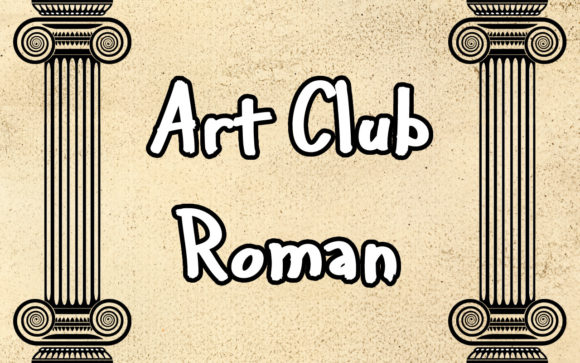
You know that feeling when a design just clicks? The text isn't just sitting there—it's speaking. It has personality, warmth, and a human touch that makes you lean in. That's the magic a font like Art Club Roman brings to the table. It's not another sterile, corporate typeface. It's a creative and clear handwritten font with unique, well-balanced characters that feel genuinely crafted. For anyone building a brand, creating content, or designing a project that needs to connect on a personal level, this kind of typographic voice is invaluable. It bridges the gap between professionalism and approachability, making your ideas not just visible, but felt.
The Personality Behind the Letters
What makes a handwritten font work? It's the subtle imperfections, the flow, and the rhythm that mimic actual pen on paper. Art Club Roman nails this balance. The characters are unique enough to be memorable but clean enough to maintain readability across different sizes and mediums. This isn't a wild, scribbled script that sacrifices clarity for style. It's a premium font designed with intention. The letterforms have a consistent weight and spacing that prevent visual chaos, which is a common pitfall with many script fonts. Whether you're setting a headline or a short tagline, the text remains legible and inviting. This thoughtful design is what separates a creative font that works from one that just looks interesting.
For a small business owner or entrepreneur, this clarity is crucial. Your logo, your website header, your product packaging—these are often the first points of contact with a customer. A font that's hard to read creates friction. Art Club Roman, as a handwritten font, avoids that. It injects personality without demanding extra effort from the viewer. It feels personal, like a note from a friend, which can be a powerful tool for building trust and rapport with your audience.
Where This Typeface Truly Shines
Think about the projects where a human touch makes all the difference. Branding for a boutique coffee shop, a local artisan studio, or a wellness coach comes to mind immediately. Using Art Club Roman for the primary wordmark or supporting typography can instantly communicate warmth, care, and authenticity. It tells customers there's a real person behind the business, not just a faceless entity.
Beyond the core logo, this font is a workhorse for various design assets. Consider its role in:
- Social Media Graphics: Create Instagram quotes, Facebook ad headlines, or Pinterest pins that stop the scroll. The handwritten style feels native to these platforms, boosting engagement.
- Packaging Design: For product labels, thank-you cards, or box inserts, this typeface adds a crafted, artisanal feel that elevates the unboxing experience.
- Website & Blog Headers: Use it for blog post titles or section headings to break up monotony and guide the reader's eye with a touch of elegance.
- Print Materials: From wedding invitations and event posters to menu designs and business cards, Art Club Roman brings a sophisticated yet relaxed vibe that suits both celebratory and professional contexts.
- Merchandise & Digital Products: Think tote bags, mugs, or e-book covers. Its distinct character helps your products stand out in a crowded marketplace.
The key is matching the font's personality to your project's goal. It's not the right choice for a dense legal document or a technical manual, but it's perfect for anything meant to evoke emotion, creativity, or connection.
Smart Pairings and Practical Testing
No font is an island. The real power of modern typography comes from thoughtful pairing. Art Club Roman, with its expressive nature, works best when balanced with a simpler, more neutral companion. A clean sans serif font or a classic serif font can provide the necessary contrast for body text or supporting information.
Try pairing it with a geometric sans serif for a modern, balanced look. The simplicity of the sans serif will let the handwritten headlines pop without competing for attention. Alternatively, combining it with a traditional serif can create an interesting dialogue between the formal and the casual, perfect for editorial layouts or luxury branding with a personal twist.
Always, always test your pairings in context. Don't just look at the fonts side by side on a blank page. Mock them up in your actual design—on the website, on the packaging, in the social media template. Check the readability at different sizes. How does it look on a mobile screen versus a printed poster? Does the weight of the characters hold up? This practical testing is non-negotiable for achieving visual consistency and a professional presentation.
Understanding What You're Getting
When you invest in a commercial font like Art Club Roman, you're not just getting a single file. Reputable font designers like Dathan Boardman often include multiple styles and licensing options. Look for what's included: Are there different weights? Does it come with alternates or ligatures that can add variety to your lettering? Understanding these extras allows you to use the font more dynamically across your brand identity.
Equally important is the licensing. For any commercial use—whether it's for a client's logo, merchandise you sell, or marketing materials for your business—you need to ensure you have the proper license. Read the terms carefully. Most premium fonts offer different license types for desktop use, web use (via @font-face), and app embedding. Getting this right from the start protects you legally and ensures your design assets are built on a solid foundation.
Ultimately, choosing a typeface is a strategic decision. It's a core component of your visual language. A font like Art Club Roman offers a specific, valuable voice: one of creativity, clarity, and human connection. By applying it thoughtfully to the right projects, pairing it wisely, and understanding its full potential, you can make your most creative ideas come alive in a way that truly resonates with your audience.