Unlocking Creativity: The Papan Kita Typestyle
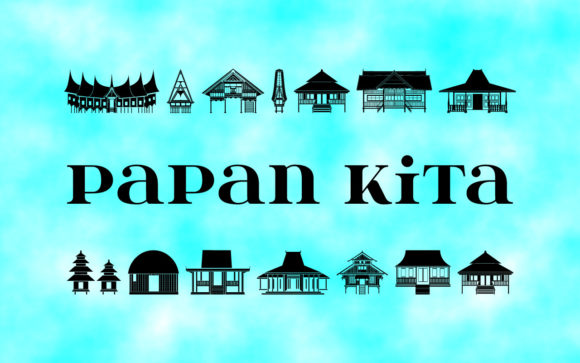
Every once in a while, a typeface comes along that doesn't just serve as a vessel for words, but acts as a piece of art in itself. If you have ever found yourself scrolling endlessly through font libraries looking for that "missing piece" to complete a design, you know the frustration of finding generic options that lack soul. This is where the work of Didik Pratikno stands out. His creation, Papan Kita, is not merely a collection of letters; it is a stunning, unique dingbats font that brings a distinct architectural flair to your creative toolkit. It bridges the gap between text and illustration, offering a visual language that is both beautiful and deeply interesting.
The Artistic Soul of the Typeface
To understand why Papan Kita captures attention, you have to look at its inspiration. The font draws heavily from artistic building styles, translating the structural beauty of architecture into typography. Unlike standard serif or sans serif fonts that focus strictly on legibility in blocks of text, this typeface focuses on style and atmosphere. The characters possess a weight and structure that feels grounded yet decorative. It is a premium font choice for those who want their design assets to tell a story without saying a word.
Because it functions as a dingbats font, the glyphs are likely illustrative or highly stylized symbols. This makes it an invaluable asset for designers who need to create unique visual markers. Imagine using these architectural symbols to create dividers in a brochure, unique bullet points for a website, or standalone graphics for packaging. The "interesting and artistic building styles" mentioned in its description suggest a versatility that allows it to blend into various themes, whether you are going for a rustic, industrial, or highly ornate aesthetic.
Practical Applications: From Packaging to Social Media
The true test of a creative font is how well it performs in the real world. Papan Kita matches a wide pool of designs, making it a workhorse for various projects. For packaging design, this typeface can be a game-changer. Small business owners selling artisanal goods, home décor, or handmade crafts often struggle to find branding that feels "handmade" yet professional. The artistic nature of this font provides that perfect balance, adding a stamp of authenticity to boxes, labels, and tags.
In the realm of digital products and social media graphics, standing out is the primary goal. Content creators and marketers can use Papan Kita to create distinct headers or accent graphics that stop the scroll. Because the font has such a strong visual personality, it works exceptionally well for hero images on websites or as part of a logo design. It doesn't just display information; it decorates the space. For bloggers, using this typeface for pull quotes or section headers can break up the monotony of standard text, keeping readers engaged longer.
Building a Brand Identity
Typography is the voice of your brand. While a standard sans serif font speaks in a clean, modern tone, Papan Kita speaks with character and flair. If you are an entrepreneur building a brand identity that needs to feel bespoke and curated, this font is a strong candidate. It helps improve brand recognition because it is not a standard system font that everyone uses. When a customer sees the unique shapes of Papan Kita on your marketing assets, they begin to associate that specific visual style with your business.
Consider the use of this typeface in editorial design. If you are creating a magazine, a lookbook, or a high-end PDF guide, the architectural elements of the font can tie into layout designs that feature strong lines and grids. It brings a level of professional presentation that suggests high quality. However, it is important to remember that while it elevates the look, it should be used strategically. A display font like this is best suited for headlines, logos, and short bursts of text rather than long-form paragraphs where readability is paramount.
Mastering Font Pairing and Strategy
Using a distinct font like Papan Kita requires a bit of strategy, particularly regarding font pairing. Because Papan Kita is so artistic and detailed, it pairs best with clean, minimalist fonts. For example, if you use Papan Kita for a main headline, consider pairing it with a geometric sans serif font for the body copy. This contrast allows the artistic nature of the headline to shine without overwhelming the reader.
Here are a few practical tips for integrating this typeface into your workflow:
- Review the Glyphs: Spend time reviewing the included font styles and symbols. You might find specific characters that perfectly match the theme of your current project.
- Test Readability: Always test the font at the size it will be viewed. While it may look great on your screen, ensure it retains its beauty when printed on merchandise or viewed on mobile devices.
- Licensing Matters: Ensure you understand the commercial licensing. If you are using this for a client's logo or for merchandise you plan to sell, verify that your license covers those uses. Respecting the creator, Didik Pratikno, ensures the continued production of high-quality design assets.
Breathing Life into Creative Ideas
Ultimately, the goal of any design tool is to help you execute your vision. Papan Kita is designed to make your creative ideas come alive. It is perfect for invitations that need a touch of elegance, posters that demand attention, or merchandise that needs to feel unique. By adding this typeface to your collection, you are equipping yourself with a versatile tool that goes beyond simple text generation. It allows you to infuse your projects with a sense of structure, art, and personality that standard fonts simply cannot provide. Whether you are a hobbyist scrapbooking a memory or a professional designer working on a corporate rebrand, this font offers a fresh perspective on visual communication.