The Authentic Charm of Natural Handwriting
There’s a particular feeling you get when you open a handwritten letter. It’s immediate, personal, and feels like a direct connection to the person who sent it. In a world saturated with perfectly polished, digital perfection, that sense of authenticity has become a rare and valuable commodity. This is precisely the space the Natural Handwriting font occupies. It’s not just another script typeface; it’s a tool designed to capture the effortless, genuine flow of real penmanship and translate it into your digital projects, giving them a human touch that’s both relatable and sophisticated.
Beyond the Generic Script: What Sets This Typeface Apart
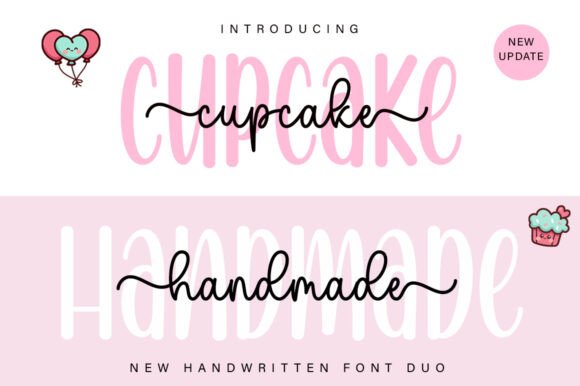
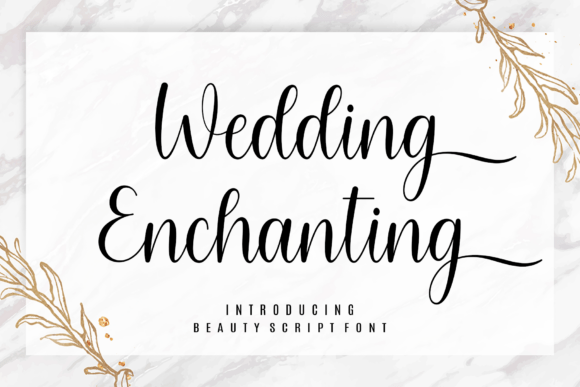
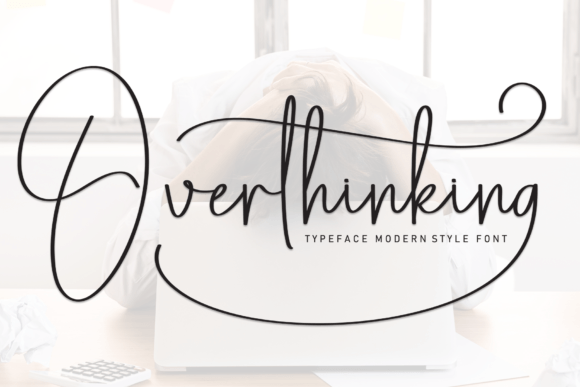
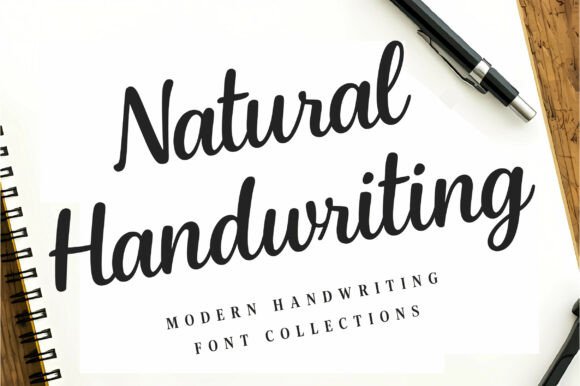
Many handwritten fonts feel either too perfect, too messy, or too cartoonish. The Natural Handwriting collection strikes a deliberate balance. Its visual appeal lies in its studied imperfection and fluidity. The letterforms have the slight, organic variations you’d expect from a pen moving quickly across paper, but they’re unified by a moderate weight and consistent x-height that ensures nothing feels chaotic. The connections between letters are flowing and intuitive, mimicking the natural ligatures of cursive without sacrificing legibility. This makes it a premium font choice that functions like a professional display font while maintaining the soul of a personal note. It’s a modern typography solution that doesn’t look like it was generated by a machine.
This careful design means it bridges the gap between a casual script font and a structured sans serif font. You get the warmth and personality of the former with the clarity and reliability often associated with the latter. For a designer, this is crucial. You’re not just choosing a handwritten font; you’re selecting a versatile typeface that can carry a brand’s voice or a project’s theme without becoming a readability issue.
Practical Applications: From Brand Identity to Social Media
The true test of any creative font is how it performs in the real world. The Natural Handwriting font excels in scenarios where you need to inject sincerity and approachability. Its applications are vast, touching nearly every area of visual communication.
For branding and logo design, it’s a powerful choice for businesses built on personal connection—think boutique studios, artisanal food brands, coaching services, or creative consultancies. A logo rendered in this font immediately communicates a human-centric, hands-on ethos. It works beautifully for secondary branding elements like watermarks, signatures on certificates, or the header of a thank-you card.
In packaging design, it can transform a product label, giving it the feel of a small-batch, lovingly crafted item. On social media graphics, it cuts through the noise of generic posts. Imagine a candid quote overlay on an Instagram story, a heartfelt message in a Facebook post, or the title of a Pinterest pin—all rendered in this authentic script. It grabs attention because it feels like a real person is speaking directly to the viewer.
For web design and blogs, use it strategically for headlines, pull quotes, or section dividers to add visual interest and guide the reader’s eye. In editorial design, it can highlight excerpts or author bylines in a magazine layout. For print materials like posters, flyers, or event invitations, it sets a tone that is both elegant and personal, perfect for weddings, gallery openings, or community workshops.
Enhancing Your Design Strategy with the Right Font Choice
Choosing a font like Natural Handwriting is a strategic decision that impacts several key aspects of your project’s success. First, it strengthens visual consistency. By using this typeface across your brand’s touchpoints—from your website header to your email newsletter signature to your product tags—you create a cohesive and recognizable visual language. This directly feeds into brand recognition; your audience will begin to associate that specific, authentic style with your business.
Second, it enhances professional presentation by demonstrating attention to detail. Selecting a high-quality, well-designed commercial font shows that you value your project’s aesthetics and, by extension, your audience. It elevates a simple thank-you note into a memorable brand experience. Third, and most importantly, it boosts audience engagement. The personal feel of the font creates an emotional resonance. It makes marketing materials feel less like advertisements and more like personal recommendations, which can significantly increase connection and response rates.
Putting Natural Handwriting to Work: A Practical Guide
Integrating this font into your workflow is straightforward, but a few practical tips will help you maximize its impact. Start by reviewing the full font family. A quality design asset like this often includes multiple weights or styles—perhaps a regular and a bold, or an italic variant. Understanding what’s available allows you to create hierarchy and emphasis within your designs.
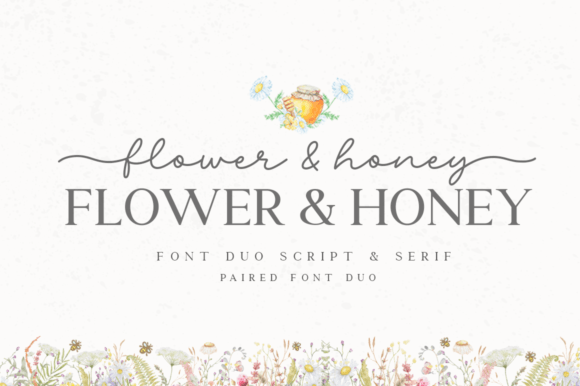
Next, consider font pairing. The Natural Handwriting font pairs exceptionally well with clean, neutral typefaces. Try combining it with a simple serif font for body text in a report or a geometric sans serif font for labels and captions. The contrast between the organic script and the structured companion creates a balanced, professional look. Always test your pairings at different sizes to ensure the handwritten element remains legible, especially in longer blocks of text where it should be used sparingly.
Finally, think about licensing. If you’re using the font for client work, merchandise, or digital products you sell, ensure you have the correct commercial font license. This is a non-negotiable step for professional designers and entrepreneurs. A reputable font foundry will make licensing terms clear, protecting both you and your work.
In the end, the Natural Handwriting font is more than just letters on a screen. It’s a conduit for personality. Whether you’re designing a logo for a new bakery, creating an Instagram series for your coaching business, or crafting the perfect wedding invitation, it offers a way to communicate with warmth, clarity, and an unmistakable human touch. It proves that in the pursuit of professional design, sometimes the most powerful tool is the one that feels the most genuinely human.