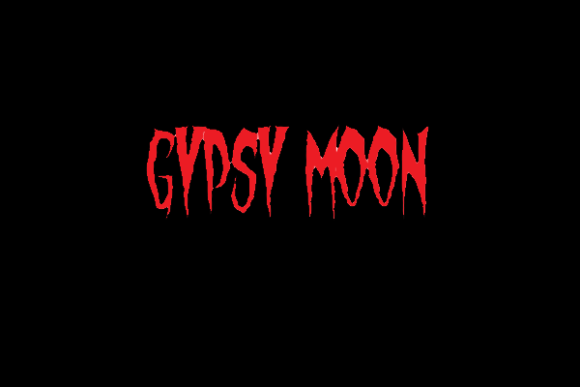
Gypsy Moon: A Heavyweight Display Font with Gothic Soul
There’s something about typography that goes beyond mere letters on a screen. Some fonts whisper; others demand attention with an almost physical presence. If you’re searching for a typeface that feels like it was pulled from a shadowy Victorian fairground or the cover of a classic horror novel, you’ve likely encountered a particular style that refuses to blend into the background. It’s bold, it’s unapologetically dramatic, and it carries a weight that anchors any design it touches.
The Anatomy of a Spooky Heavyweight
At its core, this typeface is a heavyweight display font, meaning it’s built for impact, not for setting long paragraphs of body text. Its visual personality is defined by several distinct characteristics:
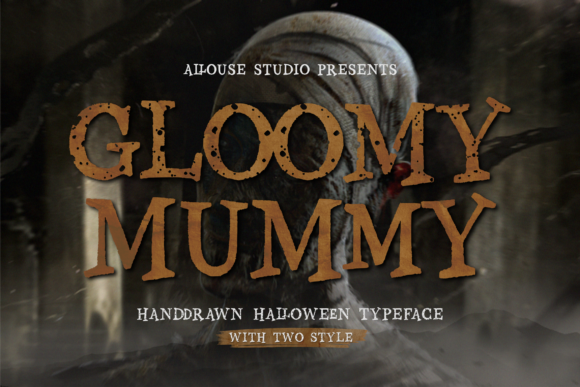
- Pointy Edges: The terminals and serifs are sharp, almost thorn-like, giving each letter a sense of tension and energy. This isn’t a rounded, friendly font; it has an edge—literally.
- Variable Character Sizing: Unlike uniform typefaces, the characters here have a handcrafted, slightly uneven quality. The variation in height and baseline creates a dynamic, organic rhythm that mimics the look of vintage signage or hand-painted carnival posters.
- Gothic & Macabre Aesthetic: The overall vibe leans into the spooky, the mysterious, and the slightly unsettling. It’s perfect for projects that need a touch of the supernatural or a nod to classic horror aesthetics.
Created by Chad Savage of Sinister Fonts, this design asset is a testament to how a single font can establish an entire mood. It’s not just a collection of glyphs; it’s a visual story waiting to be told.
Where This Typeface Truly Shines: Practical Applications
Choosing the right font is about matching its personality to your project’s goals. This particular display font excels in scenarios where you need to make a strong first impression and set a specific tone. Here’s how you can leverage its unique character:
Branding & Logo Design
For businesses or events in the entertainment, music, or niche retail space—think escape rooms, haunted attractions, gothic jewelry brands, or indie bookstores—a logo set in this typeface immediately communicates a specific identity. It’s a premium font choice that helps a brand stand out in a crowded market by being instantly recognizable and thematically aligned.
Packaging & Merchandise
Imagine this font on the label of a craft beer called “Midnight Stout” or on merchandise for a metal band. Its high-contrast, detailed letterforms ensure it reproduces well on various materials, from bottle labels to t-shirt prints. The pointy edges create texture that can be enhanced with finishes like embossing or foil stamping for a tactile, high-end feel.
Posters, Invitations & Editorial Layouts
Event posters for Halloween parties, theatrical productions of classic horror plays, or book covers for mystery novels are natural homes for this style. In editorial design, it can be used sparingly for chapter titles or pull quotes in magazines focusing on alternative culture, fantasy, or true crime, adding a dramatic flair that pulls the reader in.
Digital & Social Media Presence
In the digital realm, its boldness cuts through the noise. Use it for:
- Social Media Graphics: Create eye-catching headers for Instagram stories, YouTube thumbnails, or Facebook event banners.
- Website Design: Employ it for hero section headlines or section titles on a site for a tattoo parlor, a vintage oddities shop, or a podcast about folklore. Pair it carefully with a clean sans serif font for body text to maintain readability.
- Digital Products: Design striking covers for e-books, PDF guides, or online course materials in niche creative fields.
Making It Work: Pairing and Readability Considerations
A powerful creative font like this requires thoughtful implementation. Its strength is also its limitation: using it for large blocks of text would be overwhelming and difficult to read. The key is to treat it as a headline or accent font.
Font Pairing is Crucial: To achieve visual consistency and professional presentation, pair it with a simpler, highly legible typeface. A clean sans serif font (like Helvetica, Open Sans, or Lato) or a simple serif font (like Garamond or Times New Roman) works well for supporting text. This contrast allows the display font to command attention without sacrificing the overall readability of your design.
Context Matters: Always consider your audience and medium. A poster for a rock concert can embrace the full dramatic effect. A website for a law firm? Probably not the best fit. Test your pairings by viewing them at the actual size they’ll be used—a massive poster headline versus a small social media icon will have different impacts.
Licensing for Commercial Use: If you plan to use this font in client work, merchandise for sale, or any commercial project, verify the licensing terms provided by the creator. Most premium fonts require a specific commercial license. Understanding this upfront is a non-negotiable part of the professional design process and protects both you and the font creator.
Why a Distinctive Font Matters for Your Project
In a world saturated with generic templates and overused fonts, a typeface with genuine character is a powerful tool. It does more than just display words; it evokes emotion, builds brand recognition, and creates a cohesive brand identity. Choosing a font like this is a strategic decision. It signals to your audience that you’ve paid attention to detail and that your project has a specific, curated point of view.
Whether you’re a designer building a mood board, a small business owner crafting your brand’s visual language, or a content creator looking to elevate your graphics, investing in a high-quality, distinctive typeface is an investment in clear communication. It helps your message not only be seen but felt. For projects that call for a touch of the dramatic, the mysterious, or the hauntingly beautiful, finding the right heavyweight display font can be the detail that transforms good design into something truly memorable.