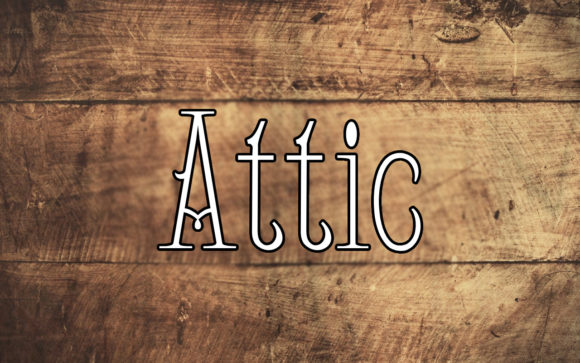
Attic: The Slim, Sophisticated Serif for Modern Design
There's a particular kind of elegance that doesn't shout. It's in the quiet confidence of a well-set book title, the understated grace of a boutique's logo, the subtle sophistication that makes you look twice. This is the space where Attic lives—a delicate, slim yet distinct serif font designed by Peter Wiegel that brings a refined, modern sensibility to creative projects. If you've been searching for a typeface that balances personality with professionalism, one that feels both contemporary and timeless, Attic might be the missing piece in your design toolkit.
A Typeface with Quiet Confidence
What makes Attic stand out in a crowded field of serif fonts? It starts with its proportions. The letterforms are deliberately slim, creating an airy, refined appearance that works beautifully at larger sizes—think headlines, hero sections, and billboard layouts. Yet there's nothing fragile about its character. Each glyph carries a distinct personality, with subtle details that reward closer inspection. The serifs are present but not heavy, giving the font a structured feel without the weight of more traditional serif typefaces.
As a premium font, Attic arrives PUA encoded, which practically means every glyph, swash, and stylistic alternate is directly accessible through standard design software. You won't need to hunt through character maps or deal with complicated OpenType panels to access the decorative flourishes that make this typeface special. For designers juggling tight deadlines, this kind of thoughtful implementation matters more than most people realize.
Where Attic Truly Shines: Real-World Applications
Let's talk about where a font like this actually earns its place in your projects. Brand identity work is an obvious starting point. If you're developing a visual language for a lifestyle brand, a boutique hotel, an artisanal product line, or a creative studio, Attic's refined character communicates taste and attention to detail. The slim proportions give logos and wordmarks a contemporary edge, while the serif structure ensures they still feel grounded and trustworthy.
Packaging design is another natural fit. Picture Attic on a candle label, a craft spirits bottle, or a specialty food package. The font's elegance elevates the perceived value of the product without feeling overdone. It suggests quality, care, and intention—all things consumers respond to when they're browsing shelves or scrolling through an online store.
For editorial design and publishing, Attic brings a fresh perspective to magazine layouts, book covers, and blog headers. It pairs surprisingly well with clean sans serif fonts for body text, creating a visual hierarchy that guides readers naturally through your content. The display font qualities make it particularly effective for pull quotes, section titles, and feature headlines where you want typographic interest without sacrificing clarity.
Strengthening Your Visual Communication
Consistency is the backbone of effective branding, and choosing the right typeface plays a central role in achieving it. When you select a font like Attic for your primary display use, you're establishing a visual anchor that audiences begin to associate with your brand over time. This recognition compounds—every social media graphic, every email header, every piece of printed material reinforces the same typographic identity.
Readability deserves serious consideration, too. While Attic is a display-oriented serif, its clean construction means it remains legible across various sizes and applications. That said, smart designers always test their typography in context. Set a few paragraphs of body copy with Attic to see how it performs at smaller sizes. For extended reading, you'll likely want to pair it with a more traditional text serif or a readable sans serif font. The magic happens when you use Attic for the moments that matter most—your headlines, your key messages, your calls to action—while letting a complementary typeface handle the supporting text.
Practical Tips for Working with Creative Fonts
Font pairing is where many projects succeed or stumble. Attic's slim, modern serif personality works beautifully alongside geometric sans serifs, clean grotesques, and even some script fonts for contrast. Try setting your headline in Attic and your body text in a neutral sans serif like a humanist or neo-grotesque style. The contrast creates visual interest while maintaining a cohesive feel.
Before committing to any commercial font for a client project or your own brand, take time to explore the full character set. With PUA-encoded fonts like Attic, you have access to stylistic alternates and decorative swashes that can transform a standard wordmark into something truly distinctive. Spend an afternoon experimenting—you might discover a glyph combination that becomes the signature element of your entire visual identity.
Licensing is another practical consideration that's easy to overlook in the excitement of finding the perfect typeface. Always review the font's license terms before using it in commercial projects. Most premium fonts, including Attic, come with clear licensing that covers both personal and commercial use, but the specifics can vary. Understanding these terms upfront protects you and your clients down the road.
Bringing It All Together
Whether you're designing social media graphics for a growing brand, laying out a wedding invitation suite, creating merchandise for an online shop, or building a website that needs to make an immediate impression, the typography you choose carries enormous weight. Attic offers something increasingly rare in the font world—a typeface with genuine personality that doesn't sacrifice versatility. It's refined enough for luxury branding, approachable enough for lifestyle content, and distinctive enough to make your designs memorable.
The best design decisions happen when aesthetics align with purpose. If your project calls for a serif that feels modern, elegant, and unmistakably intentional, Attic deserves a closer look. Set a few test words, experiment with the available styles, and see how it interacts with your existing design assets. Sometimes the right typeface doesn't just complete a project—it transforms it.